
Monstera care is essential to understand if you want your Swiss cheese plant to grow large, healthy, and full of beautiful fenestrated leaves.
This guide covers everything you need to know about light, watering, soil, humidity, pruning, propagation, and common problems.
Monstera Overview
Monstera deliciosa is one of the most popular houseplants in the U.S. thanks to its dramatic leaves and fast growth.
Native to the tropical forests of Central America, this plant adapts surprisingly well to indoor spaces when its basic needs are met.


Plant Type
Monstera is a tropical climbing plant known for its large, split leaves.
Native Habitat
It grows naturally under jungle canopies, climbing trees to reach the light.
Growth Rate
Under ideal indoor care, Monstera can grow 1–2 feet per year.
Toxicity
All parts of the plant are toxic to pets (dogs and cats), a common concern in U.S. households.
Light Requirements
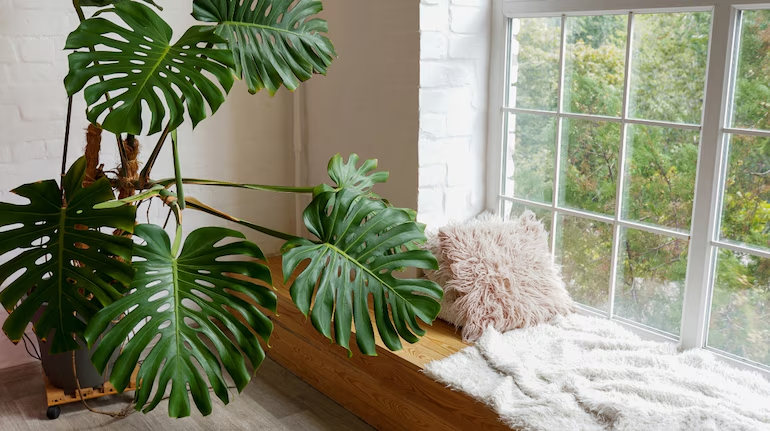

Monstera care begins with proper lighting, as this plant thrives in bright, indirect light. Although Monstera can tolerate low light, you will see slower growth and fewer fenestrations.
Best Window Orientation (U.S. Homes)
- East-facing windows → ideal
- West-facing windows → good, but filter strong afternoon sun
- South-facing windows → place 5–8 feet away
- North-facing windows → acceptable but slower growth
Signs of Light Problems
- Too little light → small leaves, no holes
- Too much sun → crispy brown spots
Watering Your Monstera the Right Way


Monstera care also depends heavily on proper watering. Overwatering is the #1 cause of Monstera problems in the U.S., especially in apartments with low light.
How Often to Water
- Water every 7–10 days in summer
- Water every 12–20 days in winter
- Always check the top 2 inches of soil
Overwatering Signs
- Yellow leaves
- Mushy stems
- Soil smells sour
Underwatering Signs
- Dry, crispy edges
- Drooping leaves
Soil and Pot Requirements

Monstera care requires a well-draining soil mix that mimics the plant’s natural forest-floor environment.
Best Potting Mix (U.S. Store Brands)
A perfect Monstera soil mix includes:
- 50% potting soil (Miracle-Gro or FoxFarm)
- 25% perlite
- 25% orchid bark
Drainage Is Critical
Use pots with large drainage holes to prevent root rot.
Should Monstera Have a Moss Pole?
Yes! A pole supports natural climbing behavior and encourages larger, perforated leaves.
Temperature and Humidity
Monstera care includes maintaining warm temperatures and moderate humidity.


Ideal Temperature Range
65–85°F (18–30°C)
Humidity Needs
Monstera prefers 40–60% humidity.
In U.S. homes with heating or AC, consider:
- A small humidifier
- A pebble tray
- Grouping plants together
Fertilizing Monstera


Monstera care benefits from regular fertilizing during the growing season.
What Fertilizer to Use
- Balanced 20-20-20 liquid fertilizer
- Organic options like Espoma Indoor Plant Food
- Apply every 4 weeks (spring–summer)
Avoid Overfertilizing
Signs include brown leaf edges and white crust on soil.
Repotting Your Monstera


Monstera care includes repotting every 1–2 years to support growth.
When to Repot
- Roots poke out of the drainage holes
- Soil dries too quickly
- Growth slows down
Correct Pot Size (U.S. Market)
Choose a pot 2 inches larger than the current one.
Propagating Monstera

Monstera care makes propagation easy for beginners.
Best Method: Stem Cuttings
Cut below a node, ideally with an aerial root attached.
Water vs Soil Propagation
- Water → faster root development
- Soil → fewer transitions for the plant
Best Rooting Hormones (U.S.)
- Garden Safe
- Hormex
Common Monstera Problems


Monstera care also means recognizing issues early.
Yellow Leaves
Usually overwatering.
Brown Tips
Low humidity or underwatering.
Black Spots
Root rot or fungal issues.
No Holes in Leaves
Not enough light or no support pole.
Pests (Common in U.S.)
- Spider mites
- Fungus gnats
- Mealybugs
FAQs
Every 12–20 days depending on humidity and light.
Yes, but it will grow slowly and may not develop fenestrations.
Yes—keep out of reach from dogs and cats.